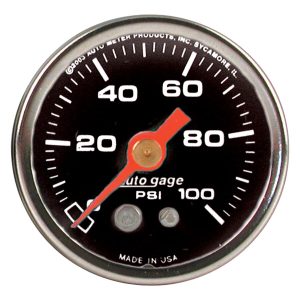



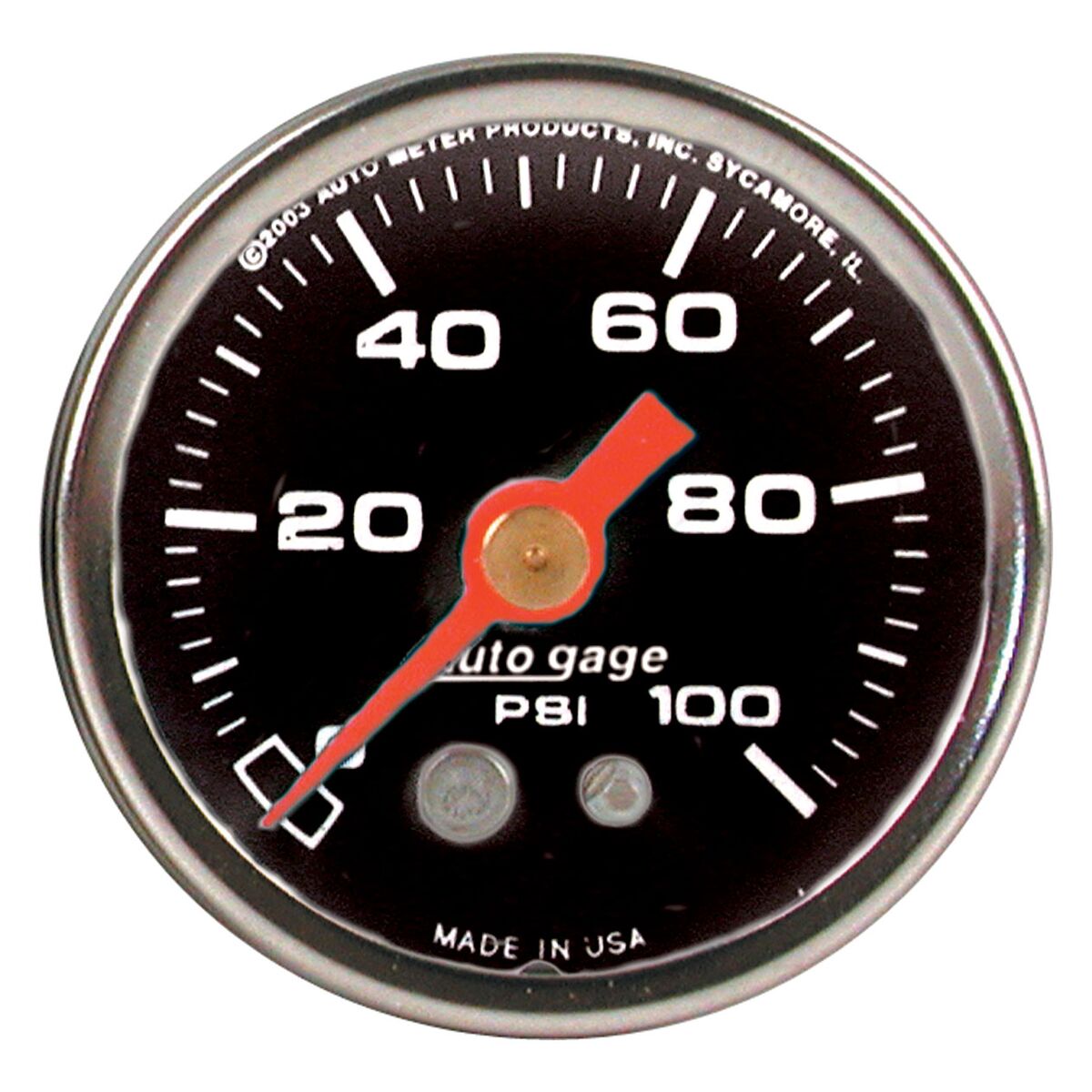
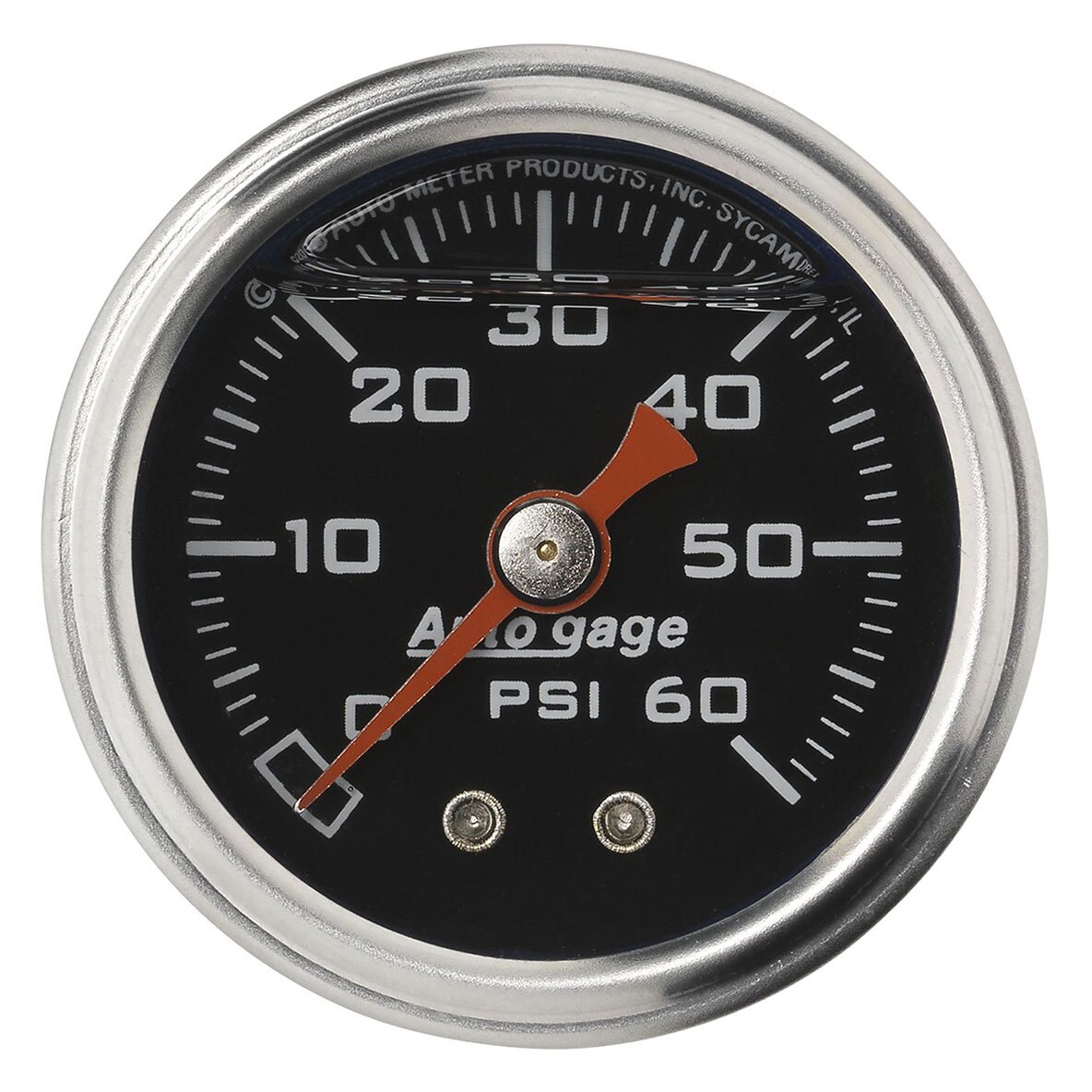
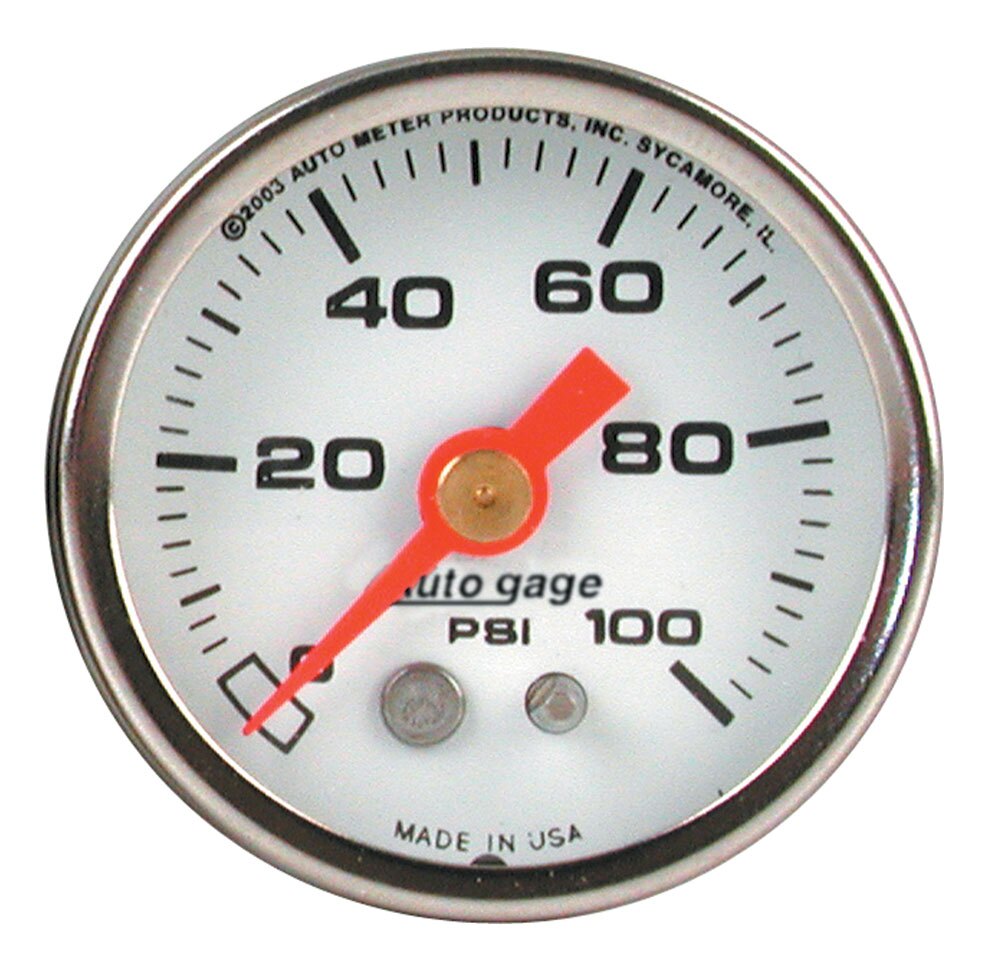
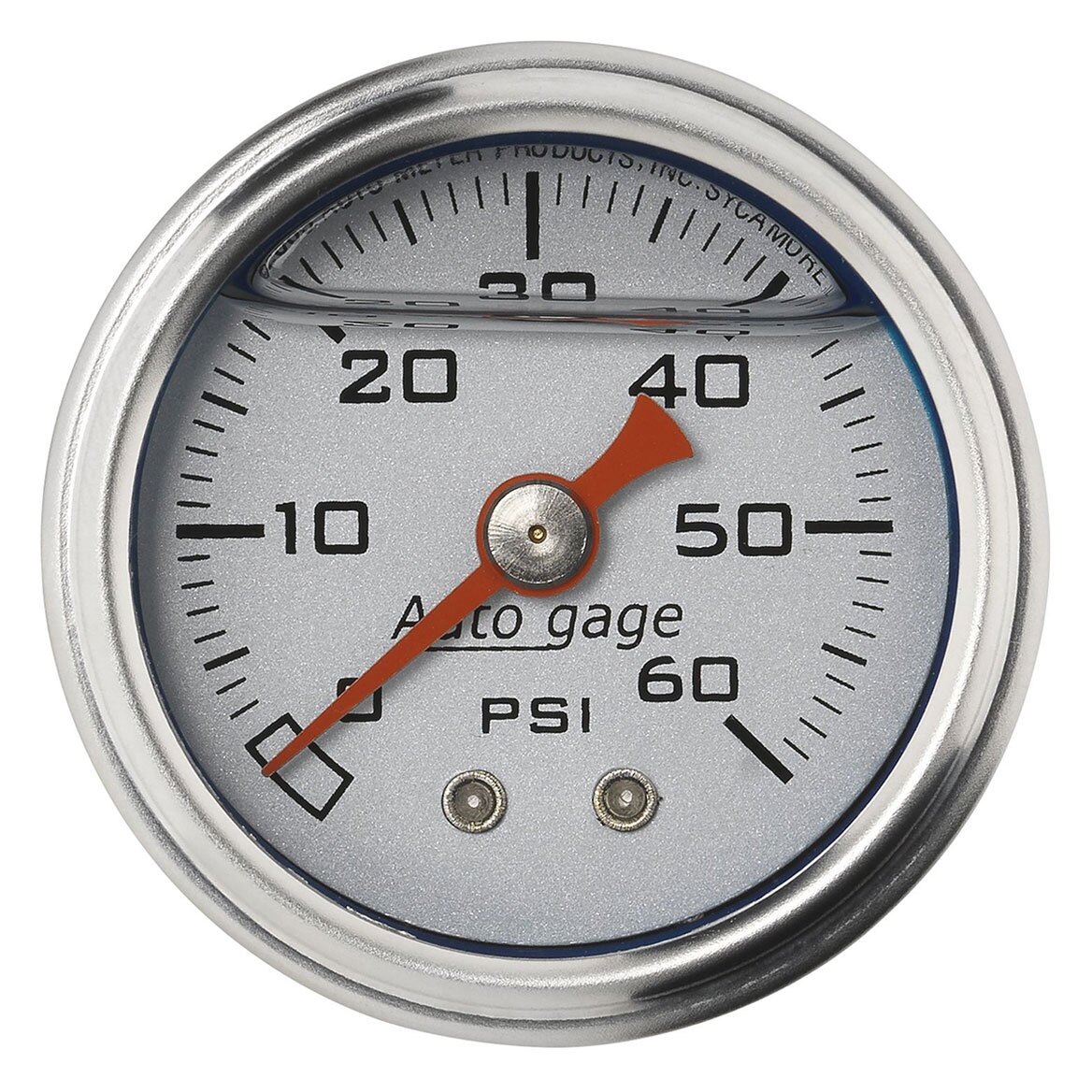
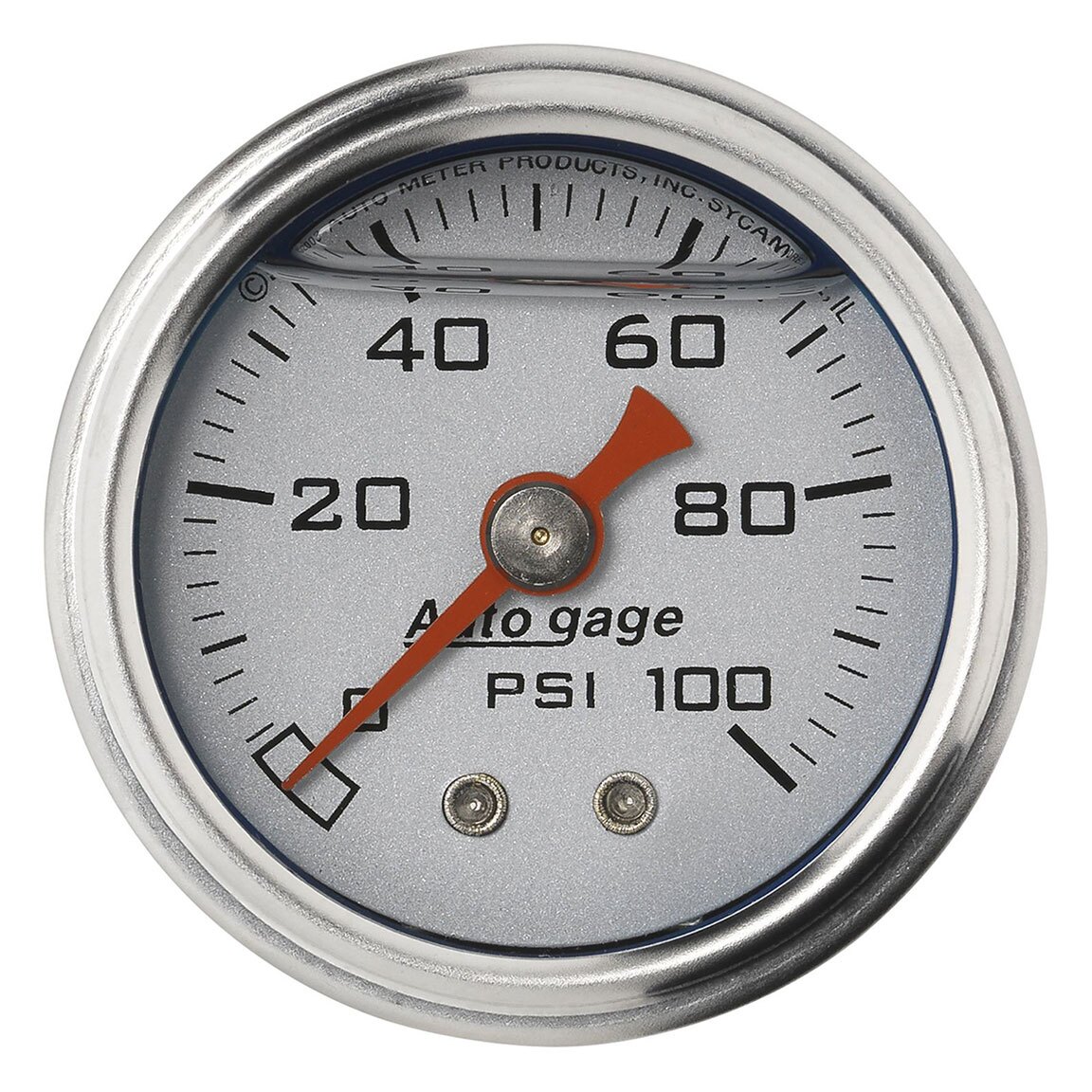
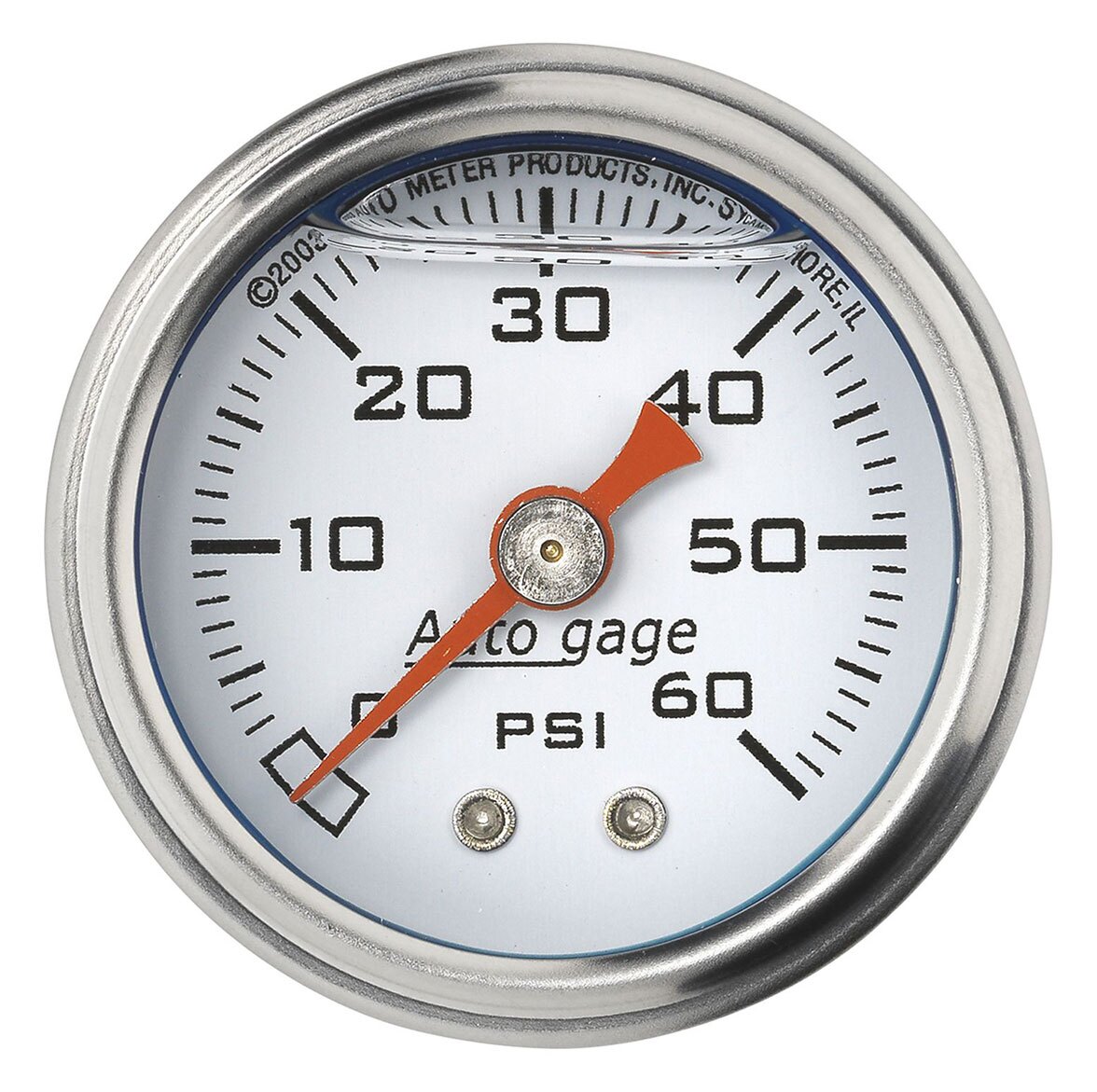
AutoMeter Universal Performance Oil Pressure Gauge
Precision Engine Protection & High-Accuracy Thermal Monitoring for Race & Street Builds
Safeguard your high-performance engine against catastrophic oil starvation and pressure drops with the AutoMeter Oil Pressure Gauge. Recognized globally as the industry standard in motorsport instrumentation, AutoMeter oil pressure gauges deliver instant, lab-calibrated pressure feedback across all driving conditions—from daily street cruising to extreme track competition.
Available in both traditional mechanical bourdon-tube designs and advanced short-sweep/full-sweep electric stepped motor configurations, AutoMeter gauges provide smooth needle response and high-visibility dial illumination. Whether you are outfitting a classic hot rod, custom V-Twin, or modern boosted race car, monitoring live engine oil pressure is your first line of defense against bearing failure and engine destruction.
Technical Specifications & Product Details
| Feature / Metric | Product Specification | Rider / Driver Benefit |
|---|---|---|
| Brand / Manufacturer | AutoMeter Products | American leader in precision automotive and motorcycle race instrumentation |
| Gauge Diameter Options | 2-1/16″ (52.4mm) & 2-5/8″ (66.7mm) | Standard mounting size fits universal dash pods, pillar mounts, and custom consoles |
| Pressure Range | 0–100 PSI (0–7 BAR models available) | Provides high-resolution tracking across idle, cold-start, and high-RPM oil pressures |
| Operation Types | Mechanical (Bourdon Tube) / Electric (1/8″ NPT Sender) | Choose direct fluid line feed or safe isolation electric sensor wiring to the cabin |
| Lighting & Dial Face | Traditional Perimeter Incandescent / LED Backlit | Delivers glare-free, high-contrast visibility during night racing and low-light conditions |
Mechanical vs. Electric Gauge Configurations
### Mechanical Oil Pressure Gauges
AutoMeter mechanical gauges rely on a direct capillary line running from the engine oil gallery directly to the gauge mechanism. Built with a heavy-duty bourdon tube movement, mechanical gauges require no electrical power to read pressure (lighting only requires 12V), offering absolute mechanical reliability in harsh race environments where electrical noise or battery failures can occur.
### Electric Oil Pressure Gauges
Electric AutoMeter gauges utilize a precision 1/8″ NPT brass pressure transducer installed directly on the engine block. The sender converts oil pressure into an electrical signal transmitted to the dash gauge. This keeps pressurized hot oil completely outside the passenger cabin or cockpit while offering razor-sharp needle accuracy driven by advanced air-core or digital stepper motor movements.
Universal Vehicle Fitment Guide
AutoMeter Oil Pressure Gauges feature universal mounting options compatible with virtually all American muscle cars, street rods, custom trucks, and motorcycle applications:
### Compatible Application Highlights
- V-Twin & Harley-Davidson Builds: Fits custom rocker box mounts and handlebar pods using 1/8″ NPT oil adapters
- American Muscle & Hot Rods: Chevy Small Block/Big Block, Ford Small Block/LS/LT V8 engines
- Modern EFI & Turbocharged Engines: Broad compatibility with high-volume oil pumps and high-pressure lubrication systems
Fitment Note: Requires standard 1/8″ NPT port access on engine block or oil filter sandwich plate. Metric adapter fittings (M10x1.0 or M12x1.5) are available separately for European and Japanese engine installations.
Step-by-Step DIY Installation Overview
Installing an AutoMeter Oil Pressure Gauge is a standard shop procedure taking approximately 1 to 2 hours.
### Required Tools
- 3/8″ Drive Ratchet & Socket Set
- Open-End Combination Wrenches
- Teflon Thread Tape / Pipe Thread Sealant
- 18-Gauge Automotive Wire & Wire Strippers (Electric models)
### Step 1: Locating Engine Oil Port
Locate the primary oil pressure port on your engine block (typically near the oil filter housing or main galley channel). Remove the factory pressure switch or plug.
### Step 2: Mounting the Sensor or Line
For Electric Gauges: Wrap the 1/8″ NPT sender threads with thread sealant and thread it securely into the port. For Mechanical Gauges: Install the compression fitting adapter into the port and run high-pressure nylon or braided stainless tubing into the gauge mount.
### Step 3: Gauge Wiring & Power Connection
Mount the gauge into your desired dash pod. Connect the 12V key-on power wire and ground wire for dial backlighting. For electric models, route the single signal wire from the sender to the gauge harness, start the engine, and check for oil leaks and smooth needle movement.
Frequently Asked Questions
### What is normal engine oil pressure on an AutoMeter gauge?
Engine oil pressure varies by oil viscosity and engine architecture. Typically, healthy hot engine idle pressure ranges between 15 and 30 PSI, while cruising and high-RPM oil pressure ranges between 40 and 70 PSI. Rule of thumb: at least 10 PSI of oil pressure per 1,000 RPM.
### Should I choose a mechanical or electric AutoMeter oil pressure gauge?
Electric gauges are recommended for modern street vehicles because they prevent live oil lines from entering the cabin or cockpit. Mechanical gauges are popular in track-only race cars and vintage hot rods where simple, wire-free mechanical durability is prioritized.
### Order Your AutoMeter Oil Pressure Gauge Today
Ensure total engine oil protection and race-proven accuracy on every drive. Order your **AutoMeter Oil Pressure Gauge** today with fast shipping!